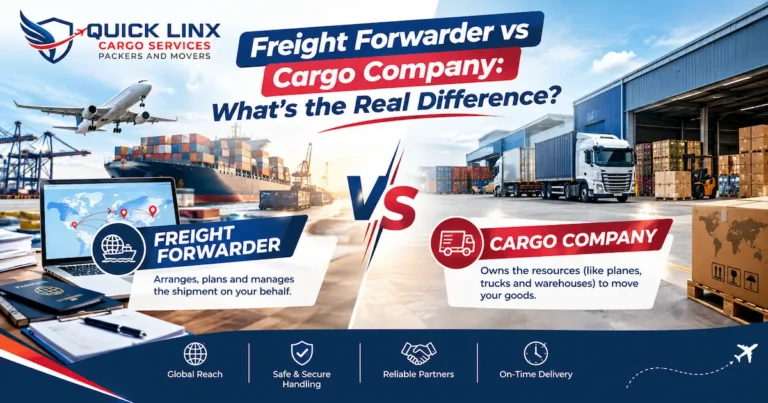

Sending cargo abroad or across the city can go wrong fast if you pick the wrong company. Delays, damaged items, hidden charges, or a shipment stuck in customs are common complaints from people who chose based on price alone. Before you book, here are 7 things worth checking so your shipment actually reaches its destination the way it should.
1. Check How Long They’ve Been in Business
A company’s history tells you a lot about how it handles problems. Cargo shipping involves customs paperwork, carrier coordination, and route knowledge that only comes with time. A business that’s been operating for a few years has usually already worked through the common issues delayed flights, customs holds, packaging disputes and built a process to manage them.
Ask direct questions: How long have they been shipping internationally? Do they specialize in air cargo, sea cargo, or both? A company that’s been around for 7+ years, like Air Cargo QLC, has typically handled a wide range of shipment types and destinations, which matters more than a flashy website.
2. Confirm the Services They Actually Offer
Not every cargo company offers the same services, and some list things on their website that they don’t actually handle in-house. Before booking, confirm exactly what’s included:
- Air cargo and sea cargo (ask which one fits your timeline and budget)
- Door-to-door delivery, or just port-to-port
- LCL/FCL container options for larger shipments
- Packing, warehouse storage, and insurance
A good logistics provider will explain clearly which of these they handle directly and which parts (if any) are outsourced. If a company is vague about what’s included, that’s usually a sign to ask more questions before paying anything.
3. Ask About Their Real Shipping Routes
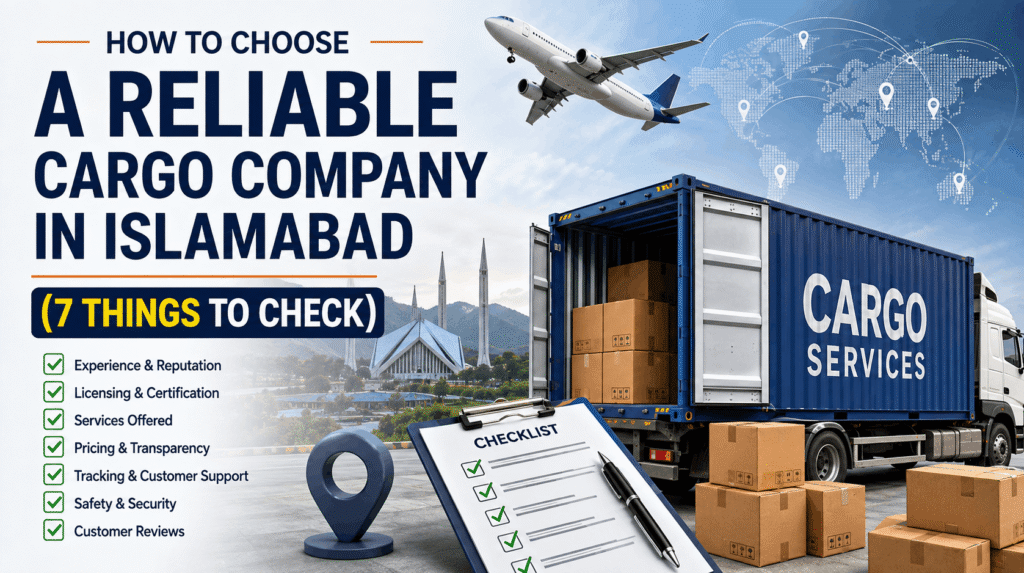
Some companies advertise “worldwide shipping” but only have working relationships with carriers on a handful of routes. This matters because a company with real experience on your specific route will know the customs requirements, average transit time, and common delays for that destination.
Ask them directly: Do you regularly ship to this country?
What’s the average transit time? Companies with established routes to Dubai, UK, USA, Saudi Arabia, and Qatar will usually have this information ready without needing to “check and get back to you.”
4. Compare Rates and Look for Hidden Charges
The cheapest quote isn’t always the best deal. Many customers get a low initial quote, then find extra charges added later for packaging, customs handling, or delivery to their door. A transparent company will break down the cost upfront.
| What to Ask | Why It Matters |
| Is this the final rate or just base freight? | Avoids surprise charges at delivery |
| Are customs and clearance fees included? | These can add significantly to the total cost |
| Is packaging charged separately? | Some companies bundle it, others don’t |
| What’s the rate per KG for my route? | Rates vary a lot by destination and shipping mode |
You can check current approximate shipping rates before comparing quotes, so you know roughly what a fair price looks like for your route.
5. Ask How They Handle Customs Clearance
Customs delays are one of the most common reasons shipments get held up. A reliable cargo company should be able to explain, in plain terms, what documents you need and roughly how long clearance usually takes for your destination. If a company can’t answer basic customs questions, that’s a red flag it usually means they don’t handle clearance directly and depend on a third party, which adds delay and reduces accountability.
Before booking, ask what documents they’ll need from you and whether they assist directly with clearance or pass it off to someone else.
6. Check Their Packaging and Insurance Options
Damage during transit is a real risk, especially for fragile or high-value items. A dependable cargo company should offer proper packaging suited to your goods not a one-size-fits-all approach along with the option to insure your shipment.
Things worth confirming before you book:
- Do they offer export-quality packaging for fragile or electronic items?
- Is insurance available, and what does it actually cover?
- Do they handle packing themselves, or do you need to arrange it separately?
Skipping insurance to save a small amount can end up costing much more if something goes wrong mid-shipment.
7. Test Their Communication Before You Book
How a company responds before you’ve even paid them tells you a lot about what to expect after. Call or message them with a real question about your shipment a route, a rate, a document requirement and see how clearly and quickly they answer.
Slow replies, vague answers, or pushy sales talk instead of straight answers are signs of what’s coming later. A company that takes the time to explain your options properly, without pressure, is usually the one that will handle your shipment with the same care.
If you’re planning a shipment and want straight answers on rates, routes, or documents, you can get in touch with our team directly no pressure, just clear information.