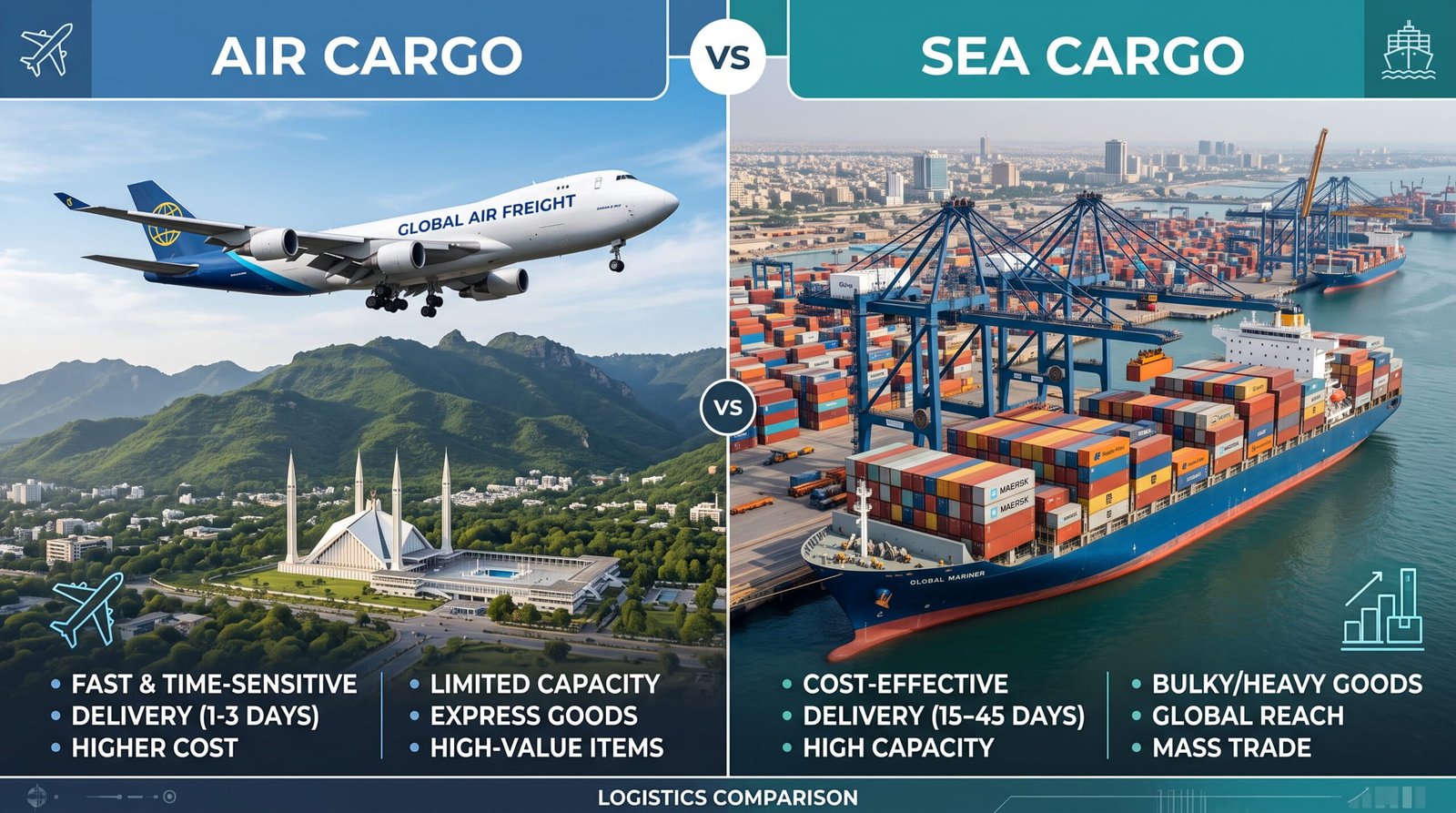
Choosing between air cargo and sea cargo is one of the first decisions you’ll face when shipping from Islamabad. Both options can get your goods where they need to go, but they differ a lot in cost, speed, and what kind of shipment they suit best. This guide breaks down the real differences so you can pick the right option for your next shipment, whether you’re sending a small parcel or a bulk commercial order.
Quick Comparison: Air Cargo vs Sea Cargo from Islamabad
| Factor | Air Cargo | Sea Cargo |
| Speed | 3–10 days | 15–50 days |
| Cost (Dubai/UAE) | PKR 1,200–1,800/kg | PKR 500–700/kg |
| Cost (UK/Europe) | PKR 2,500–3,500/kg | PKR 600–1,200/kg |
| Cost (USA) | PKR 3,000–4,000/kg | PKR 1,200–1,800/kg |
| Best For | Urgent, lightweight, high-value goods | Bulk, heavy, non-urgent shipments |
| Environmental Impact | Higher carbon footprint | Lower carbon footprint |
Choosing Between Air and Sea Cargo: Where to Start
Every shipper eventually faces the same question: should this go by air or by sea? The answer isn’t the same for everyone, since it depends on your budget, your timeline, and what exactly you’re shipping. This section sets the stage for the full comparison ahead, covering why the decision matters more than it might seem at first, especially for shippers based in Islamabad who have both options readily available.
Why This Decision Matters for Shippers in Islamabad
Islamabad has good access to both air freight and sea freight services, which means shippers here actually get to choose rather than being limited to one option. But that choice comes with trade-offs. Picking air cargo when you don’t need speed means paying more than necessary. Picking sea cargo when you’re on a deadline could mean missing it entirely. Understanding the difference helps you avoid both mistakes.
Air Cargo vs Sea Cargo: Quick Overview
Before comparing costs and delivery times in detail, it helps to understand what each shipping method actually involves. Air cargo and sea cargo work in very different ways, and that difference is what drives most of the decision-making later in this guide.
What Is Air Cargo
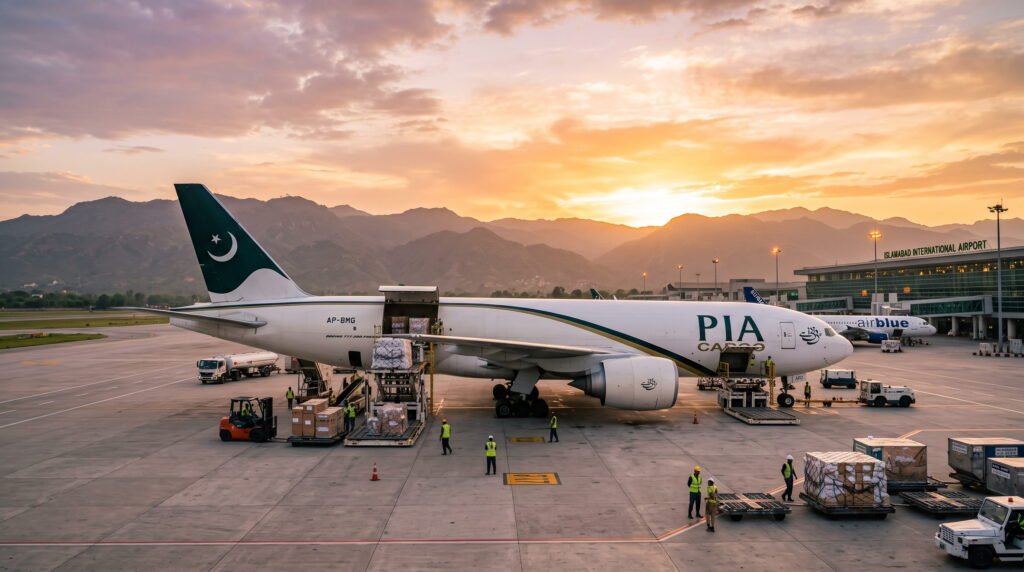
Air cargo means shipping goods by airplane. It’s the fastest way to move shipments internationally, with most deliveries completed within days rather than weeks. Because of the speed, air cargo tends to cost more per kilogram, and it works best for shipments that are lightweight, urgent, or time-sensitive.
What Is Sea Cargo
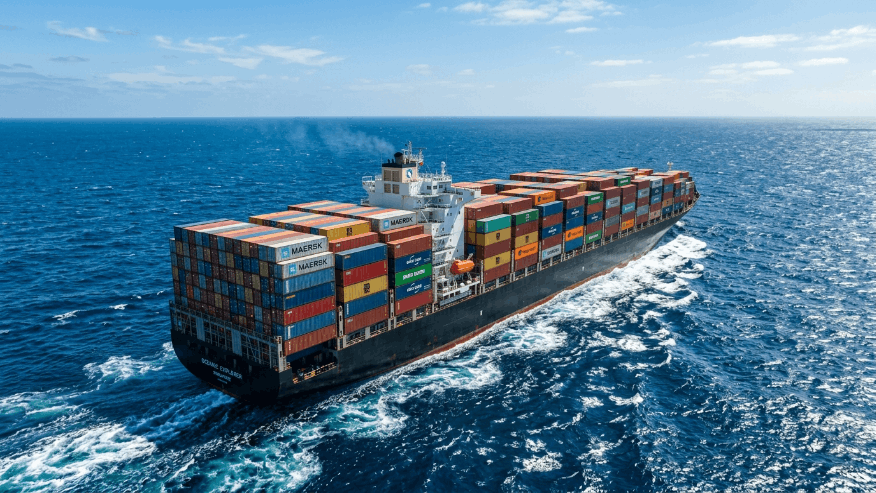
Sea cargo means shipping goods by ship, usually in containers. It takes much longer than air cargo, often several weeks, but it costs significantly less per kilogram. Sea cargo is the standard choice for bulk shipments, heavy goods, and any shipment where cost matters more than speed.
Speed and Delivery Time Comparison
Delivery time is usually the first thing shippers compare, and it’s also where air and sea cargo differ the most.
| Destination | Air Cargo Delivery Time | Sea Cargo Delivery Time |
| Dubai / UAE | 3–6 days | 15–25 days |
| Saudi Arabia / Qatar | 4–7 days | 20–30 days |
| UK / Europe | 5–8 days | 30–45 days |
| USA / Australia | 5–10 days | 35–50 days |
Air Cargo Delivery Times from Islamabad
Air cargo from Islamabad typically reaches Dubai, Saudi Arabia, or Qatar within 3 to 7 days. Shipments to the UK and Europe usually take 5 to 8 days, while destinations like the USA and Australia take slightly longer, around 5 to 10 days.
Sea Cargo Delivery Times from Islamabad
Sea cargo takes considerably longer. Shipments to Dubai or the UAE usually take 15 to 25 days, while destinations like the UK or Europe can take 30 to 45 days. Further destinations like the USA and Australia often take 35 to 50 days.
Cost Comparison: Air Cargo vs Sea Cargo
Cost is often the deciding factor once delivery time has been considered. Air cargo and sea cargo rates differ significantly, and the gap tends to widen further for heavier or bulkier shipments.
Typical Air Cargo Rates per KG
- Dubai and UAE: PKR 1,200 – 1,800 per kg
- Saudi Arabia: PKR 1,800 – 2,200 per kg
- UK and Europe: PKR 2,500 – 3,500 per kg
- USA: PKR 3,000 – 4,000 per kg
Typical Sea Cargo Rates per KG
- Dubai and UAE: PKR 500 – 700 per kg
- UK and Europe: PKR 600 – 1,200 per kg
- USA: PKR 1,200 – 1,800 per kg
Why Sea Cargo Costs Less for Bulk Shipments
Sea cargo costs less mainly because ships can carry far larger volumes than airplanes in a single trip. This lets the cost be spread across more weight, bringing the per-kilogram price down. For bulk or heavy shipments, this difference adds up quickly, making sea cargo the more practical choice when time isn’t a pressing concern.
Which Goods Suit Air Cargo vs Sea Cargo
Not every shipment suits both methods equally. The type of goods you’re sending plays a big role in deciding which option makes more sense, regardless of cost or delivery time alone.
Best Items for Air Cargo
- Documents and urgent paperwork
- Electronics and high-value items
- Fashion and seasonal goods
- Samples and time-sensitive shipments
Best Items for Sea Cargo
- Furniture and household goods
- Industrial machinery
- Large commercial or bulk orders
- Heavy goods without a strict deadline
Safety, Handling, and Reliability
Beyond cost and speed, how your shipment is handled along the way also matters. Air and sea cargo differ in how goods are packaged, processed, and documented, and these differences can affect both safety and how smoothly your shipment moves through customs.
Packaging and Handling Differences
Air cargo generally involves less handling since shipments move faster and pass through fewer transfer points, which can reduce the risk of damage. Sea cargo shipments are handled more times and spend longer in transit, so packaging needs to be sturdier to withstand the extra time and movement.
Customs and Documentation Differences
Both methods require similar core documents, like an invoice and packing list, but the process can differ slightly. Air cargo shipments tend to clear customs faster due to smaller volumes and quicker processing at airports. Sea cargo shipments, especially bulk or container loads, often take longer to clear due to higher volumes and additional port procedures.
Environmental Impact of Air vs Sea Cargo
Sea cargo has a noticeably smaller environmental footprint compared to air cargo. Ships produce far less carbon emissions per kilogram of cargo transported than airplanes do, mainly because of the sheer volume they can carry in a single trip. For businesses that factor sustainability into their shipping decisions, sea cargo is generally the lower-impact option, especially for large or heavy shipments where flying isn’t necessary.
Air cargo, while faster, comes with a higher environmental cost per shipment. This doesn’t mean air cargo should be avoided altogether, but it’s worth considering alongside cost and speed, particularly for shipments that aren’t time-sensitive and could just as easily move by sea.
How to Decide: Air Cargo or Sea Cargo for Your Shipment
With the cost, speed, and handling differences laid out, the actual decision usually comes down to a few practical questions about your specific shipment.
Questions to Ask Before Choosing
- How urgent is the shipment? If it needs to arrive within days, air cargo is likely the only option.
- What’s the weight and volume? Heavier bulk shipments cost far less by sea.
- How valuable or fragile are the goods? High-value or delicate items often benefit from air cargo’s shorter transit time and reduced handling.

FAQs
Conclusion & Get a Quote
Choosing between air cargo and sea cargo comes down to what matters most for your shipment speed, cost, or a balance of both. Air cargo works best when you need your goods to arrive quickly and can afford the higher rate, while sea cargo is the smarter choice for bulk or heavy shipments where cost savings matter more than delivery time. If you’re still unsure which option fits your shipment, get in touch with Air Cargo QLC for a personalized quote based on your exact weight, destination, and timeline.