

Booking air cargo feels simple on the surface pack your goods, hand them over, and wait for delivery. But small mistakes at the booking stage often turn into big problems later: shipments held at customs, unexpected extra charges, or damaged goods that could have been avoided. Most of these issues don’t come from bad luck. They come from missing a document, misjudging weight, or picking a provider without checking their track record first.
At Air Cargo QLC, we’ve handled international shipments from Islamabad and Rawalpindi for over 7 years, and the same avoidable mistakes come up again and again. This guide walks through the seven most common ones, so you know exactly what to check before you book your next shipment. For a full walkthrough of the process itself, our complete air cargo guide covers everything from start to finish.
Who This Guide Helps (First-Time Shippers, Businesses, Online Sellers)
This guide is written for anyone booking air cargo for the first time or looking to tighten up their process. First-time shippers will learn what to prepare before they even contact a cargo company. Businesses shipping regularly will find ways to cut down on delays and unexpected costs. Online sellers shipping products to customers abroad will get practical tips on packaging and documentation that keep orders moving without customs holdups.
Mistake 1 Skipping Proper Documentation
Documentation is where most shipment delays start. Many first-time shippers assume a simple invoice is enough, only to find their cargo held at customs because a packing list or air waybill wasn’t prepared correctly. Every destination country has its own paperwork requirements, and missing even one document can add days to your delivery timeline.
The good news is that documentation problems are almost always preventable. Once you know what’s required for your specific route and goods, preparing the paperwork takes very little time. If you’re shipping for the first time, our step-by-step booking guide breaks down exactly what to prepare before you book.
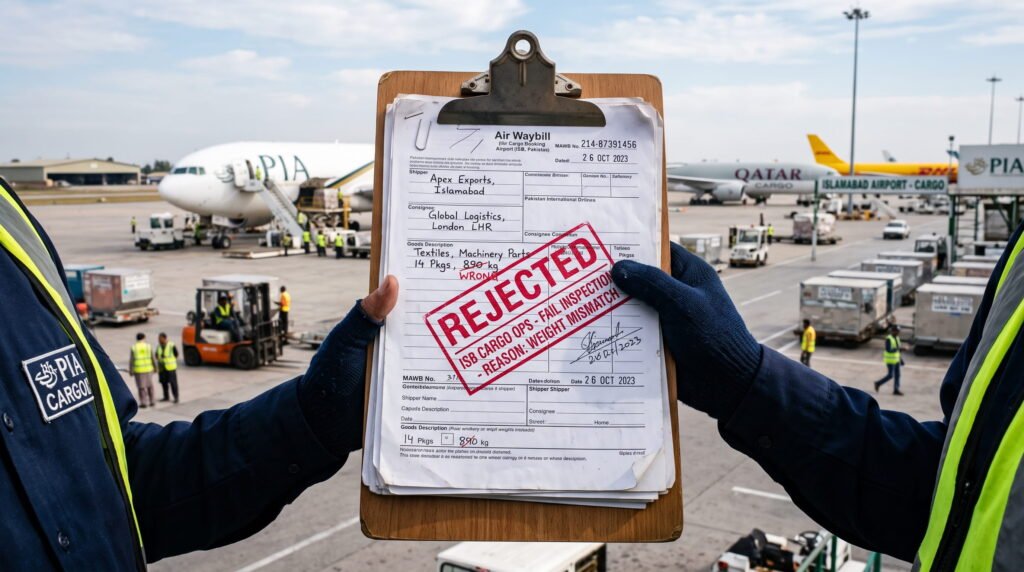
Common Shipment Documentation Errors
The most frequent errors we see include incomplete invoices, mismatched weights between the invoice and the actual shipment, and missing certificates for restricted product categories like food items or electronics. Some shippers also forget to include a proper packing list, which customs officers rely on to verify what’s inside a shipment without opening every box. Even small mismatches between paperwork and cargo contents can trigger manual inspection, which slows everything down.
How to Prepare Documents Correctly
Before booking, make sure you have:
- A commercial invoice with accurate item descriptions and values
- A detailed packing list matching the invoice
- Any product-specific certificates required by the destination country
- A valid CNIC or business registration document, depending on shipment type
Double-check that every document uses the same weight, quantity, and value figures. Inconsistencies are one of the easiest things to fix before booking, and one of the most common reasons for delays after.
Mistake 2 Underestimating Chargeable Weight
Many shippers are surprised when their final bill is higher than expected, and the reason usually comes down to chargeable weight. Air cargo pricing isn’t based on actual weight alone it’s based on whichever is higher between actual weight and volumetric (dimensional) weight. A large but light box can end up costing more than a small, heavy one.
Not accounting for this before booking leads to budget surprises, especially for businesses shipping bulky but lightweight items like clothing, packaging materials, or electronics with a lot of empty space in the box. You can check transparent air cargo rates before you book to get a clearer picture of what your shipment will actually cost.
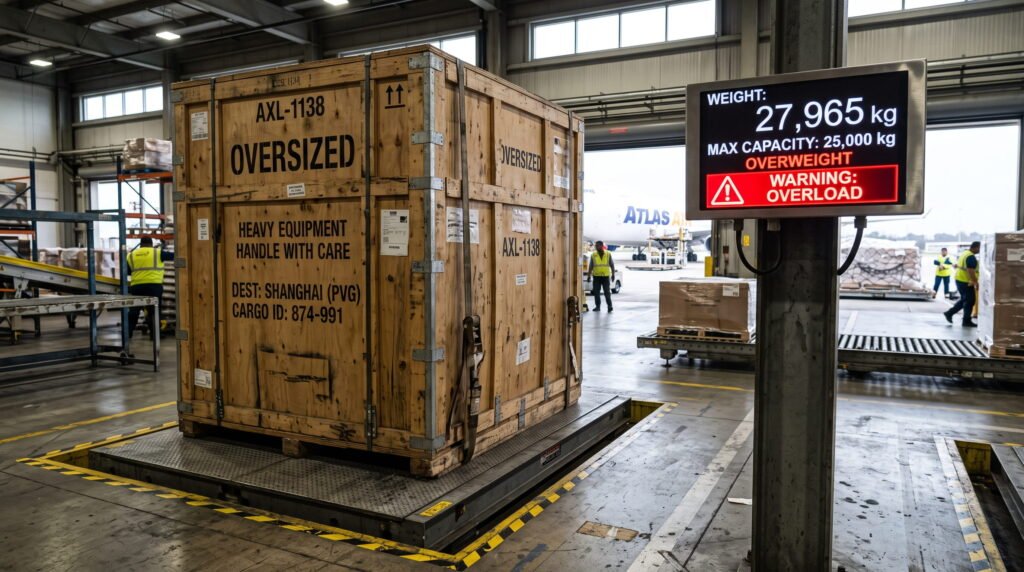
How Chargeable Weight Calculation Works
Volumetric weight is calculated using the shipment’s dimensions, not just its weight on a scale. The formula divides length × width × height (in centimeters) by a standard volumetric factor used across the air freight industry. Whichever figure is higher actual weight or volumetric weight becomes the chargeable weight used for pricing. This is standard practice across international air cargo, not something specific to one provider.
| Shipment Type | Actual Weight | Volumetric Weight | Chargeable Weight |
| Small heavy box (tools) | 15 kg | 8 kg | 15 kg (actual) |
| Large light box (clothing) | 6 kg | 14 kg | 14 kg (volumetric) |
Why This Affects Your Final Cost
If you only calculate cost based on your bathroom scale reading, you may end up underestimating your shipment’s price by a significant margin. This is especially common with online sellers shipping bulky packaging. Before booking, measure your box dimensions and ask your cargo provider to calculate volumetric weight upfront, so there are no surprises when the final invoice arrives.
Mistake 3 Poor or Incorrect Packaging
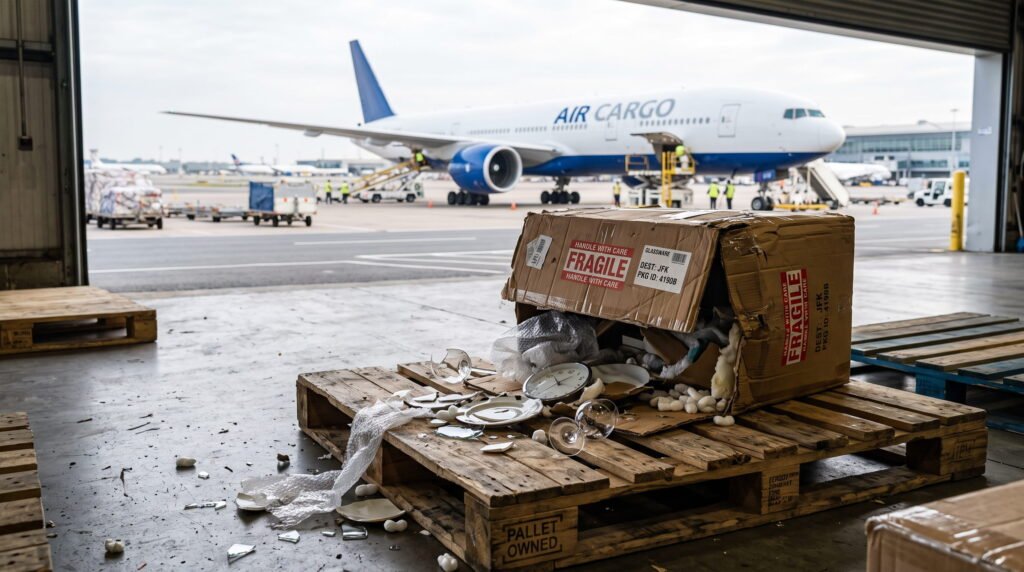
Packaging mistakes are one of the leading causes of damaged shipments, and they’re also one of the easiest to prevent. Weak boxes, missing internal padding, or packaging that doesn’t match the type of goods being shipped can all lead to items arriving broken, crushed, or unusable even on short routes with careful handling.
Good packaging protects your cargo through multiple handling points: loading, transit, and unloading at the destination. It’s worth spending a little extra time and material here, since damaged goods are far more costly than an extra layer of bubble wrap.
Cargo Packaging Standards to Follow
- Use doublewalled corrugated boxes for anything fragile or heavy
- Fill empty space with padding material to prevent movement during transit
- Seal boxes with proper packing tape, not household tape
- Label boxes clearly with handling instructions like “Fragile” where needed
- Use wooden crating for high-value or oddly shaped items
Packaging Mistakes That Lead to Damage
Common mistakes include using old or reused boxes that have lost their structural strength, leaving empty space inside boxes that allows items to shift, and stacking heavy items on top of fragile ones without separation. Liquids and powders that aren’t sealed properly can also leak and damage surrounding items. Taking a few extra minutes to pack correctly reduces the risk of claims and delays significantly.
Mistake 4 Shipping Restricted or Prohibited Items
Every country has a list of items that can’t be shipped by air, or that require special permits. Shippers who skip this check often find their cargo rejected at the airport, or worse, held by customs after arrival. This isn’t just an inconvenience it can mean losing the shipment entirely or facing fines.
Restrictions vary by destination, so what’s allowed to Dubai may not be allowed to the UK or Saudi Arabia. Checking this before you pack, not after you’ve already booked, saves a lot of frustration.
Commonly Overlooked Restricted and Prohibited Items
- Lithium batteries and power banks (restricted, not always banned)
- Perfumes and aerosols due to flammability rules
- Certain food items and spices requiring health certificates
- Counterfeit or unbranded electronics
- Sharp tools or items resembling weapons
How to Check Before Booking
The safest approach is to confirm with your cargo provider before you finalize packaging, especially for items that fall into a gray area like cosmetics, supplements, or electronics with batteries. A quick conversation before booking can prevent a shipment from being turned away at the last minute.
Mistake 5 Ignoring Customs Requirements
Customs clearance is one of the most misunderstood parts of international shipping. Many shippers assume that once cargo leaves Pakistan, the process is out of their hands. In reality, incomplete paperwork, undeclared items, or mismatched invoice values are among the top reasons shipments get held at customs on either end.
Understanding what customs officers are checking for, and preparing for it in advance, is one of the simplest ways to avoid unnecessary delays and extra charges.
What Causes Customs Clearance Delays
Delays commonly happen due to under-declared invoice values, missing HS codes, incomplete sender or receiver details, or shipments that fall into a restricted category without the right certificates attached. Even a small paperwork error can trigger a manual review, which adds days to an otherwise straightforward shipment.
How to Avoid CustomsRelated Holdups
Make sure your invoice reflects accurate values, double-check that all required certificates are attached, and confirm the receiver’s full contact details before booking. Working with an experienced cargo provider who understands the customs process for your specific destination also makes a real difference in how smoothly clearance goes.
Mistake 6 Choosing a Cargo Provider Without Checking Reliability
Not all cargo companies operate the same way, and choosing based on price alone can lead to problems later slow communication, unclear pricing, or shipments that arrive later than promised. Reliability matters just as much as cost, especially for time-sensitive or high-value shipments.
Taking a few minutes to research a provider before booking can save significant time and stress if something doesn’t go as planned during transit.
Signs of Freight Forwarder Reliability
Look for a provider with a physical office, clear and transparent pricing, responsive communication, and a track record of handling your specific type of shipment or destination. Providers who are upfront about delivery timelines and potential delays, rather than promising unrealistic speed, are usually more trustworthy.
Questions to Ask Before Booking
Ask how they calculate final pricing, what documentation they require, how they handle customs issues if they arise, and what their average delivery time is for your specific route. A provider who answers clearly and doesn’t dodge these questions is a good sign.
Mistake 7 Not Confirming Delivery Timelines in Advance
Delivery timelines for air cargo vary depending on the destination, and assuming a shipment will arrive faster than it actually will is a common and avoidable mistake. This is especially important for businesses working with customer deadlines or time-sensitive goods.

How to Set Realistic Delivery Expectations
Air cargo to Dubai and the UAE typically takes 3–6 days, while shipments to the UK, Italy, and other parts of Europe usually take 5–8 days. Routes to the USA generally take 5–10 days. These are approximate timelines and can shift slightly depending on customs processing at the destination, so it’s worth confirming an estimated delivery window with your provider before booking rather than assuming a fixed date.
How to Book Air Cargo Correctly: A Quick Checklist
Before you finalize your next shipment, run through this checklist:
- Confirm all required documents are complete and consistent
- Calculate chargeable weight, not just actual weight
- Pack according to standards for your item type
- Check restricted and prohibited item lists for your destination
- Prepare customs paperwork with accurate values
- Verify your cargo provider’s reliability and communication
- Confirm a realistic delivery timeline before booking
Following this checklist before you book with our air cargo services helps avoid nearly all of the common issues shippers run into.
FAQs
Conclusion & Get a Quote
Most air cargo problems don’t come from bad luck they come from small, avoidable mistakes at the booking stage. Getting your documentation right, calculating chargeable weight accurately, packing properly, and choosing a reliable provider will save you time, money, and unnecessary stress.
If you’d rather leave the details to a team that handles this every day, book your shipment correctly with our team and we’ll guide you through documentation, packaging, and customs requirements from the start.